

Railroad Settlement - Interstitial Lung Disease
Railroad workers have been for a long time at risk of suffering occupational lung diseases, such as pulmonary and fibrosis. Prior to 2010, safety guidelines did not always require crews to wear masks that protected them from injury, exposing workers to exhaust fumes and dangerous fumes that come from idle engines.
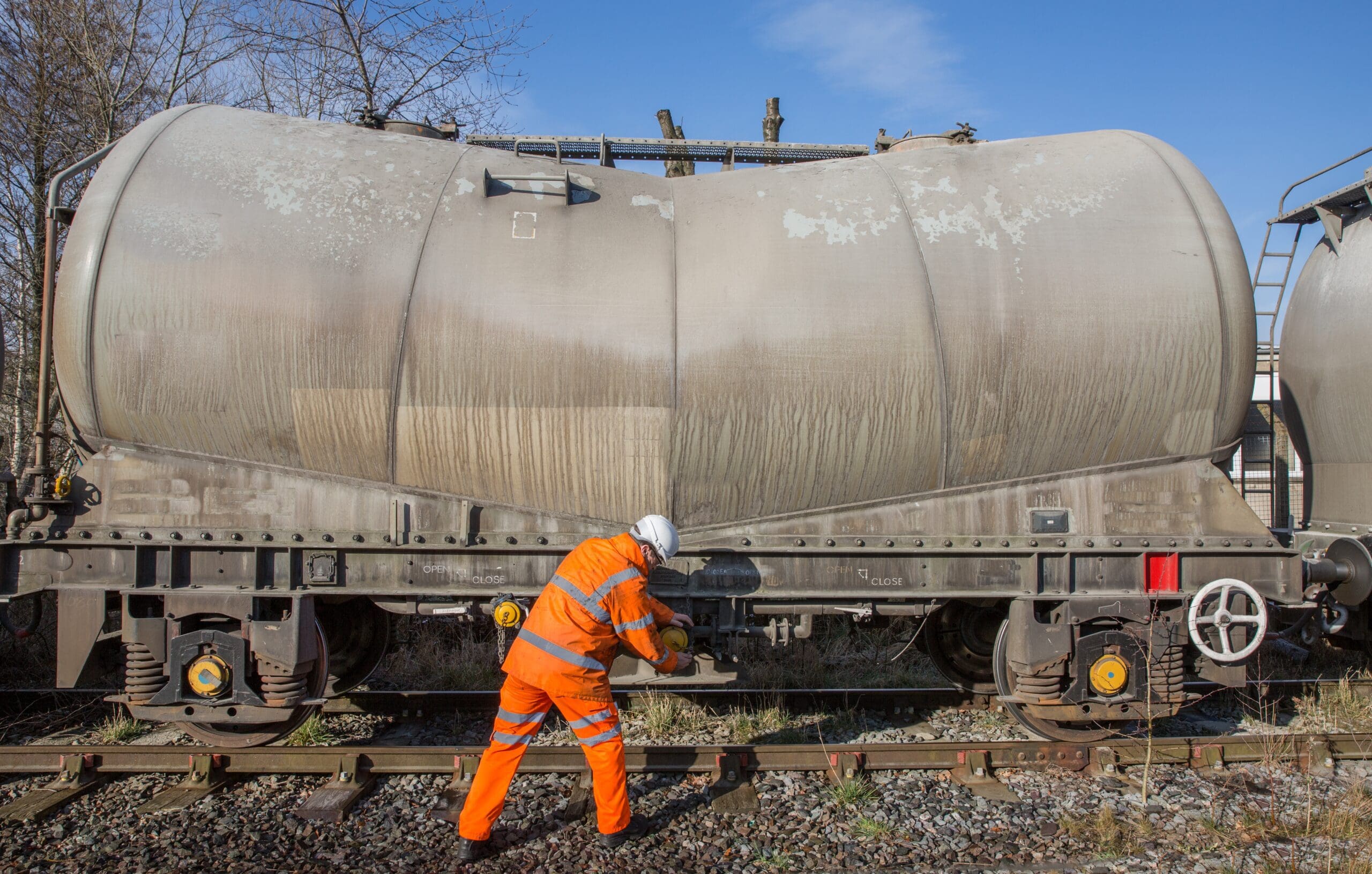
Asbestos exposure as well as diesel exhaust, and other workplace hazards can result in interstitial pulmonary disease. The symptoms can take decades to appear and it is difficult to establish an immediate connection to be established between work-related history and disease.
Asbestos
Asbestos is a collection of naturally occurring minerals popular in the construction industry for its fire retardant, corrosion-resistant and insulation properties. Exposure to these fibers increases the risk of mesothelioma, lung cancer, (a rare cancer that develops in the linings that protect organs), and asbestosis. The signs of asbestos-related diseases can take up to 30 years to appear.
When asbestos is disturbed fibers break down into tiny, elongated pieces called fibrils. They can be easily breathed in and subsequently lodged deep into the lungs. If they cause irritation the lungs form scar tissue which makes breathing difficult. In the long run, exposure to high levels of asbestos particles in the air increases the risk of developing mesothelioma. This is a rare, aggressive lung cancer that afflicts the lining the lungs.
Asbestos has been banned however, railroad corporations continue to fight FELA claims made by railroad workers and family members, despite knowing the substance was hazardous. Asbestos is now banned but railroad corporations often defend FELA claims brought by railroad workers and their families due to the fact that they knew the material could be hazardous to employees. This could be negligence and therefore, railroad employees and their families to compensation. If you were a train worker in the past, call an Virginia railroad injury lawyer today for more details about filing a FELA claim.
Diesel Exhaust
Since the 1940s, diesel engines have been the main source of power for trains in America. Prior to that, trains burned coal -producing harmful black soot which workers breathed in on a regular basis.
Diesel exhaust fumes are a mix of combustible gasses and ultrafine particles. The chemical compounds in the gas portion of diesel exhaust change to either a liquid or vapor which is then transported through the air as tiny particles. These particulates are inhaled by the lungs, which causes irritation to lung tissue over time.
When this happens, it could result in a lung condition known as railroad worker's interstitial respiratory disorder (ILD). Long-term exposure of diesel exhaust could also increase the risk of developing COPD.
Diesel engine smoke contains many different chemicals, including sulfur dioxide, nitrogen oxides carbon monoxide, and sulfur dioxide. They also produce polycyclic aromatic hydrocarbons which can cause cancer. The particulate content of diesel exhaust is made up of fine particles which can cause irritation and inflammation of the lungs.
While there has been a substantial reduction in diesel pollution with the use of cleaner fuels and catalytic converters, contaminants remain in the air. They can contribute to the formation of ozone at ground level, which can cause breathing problems for people as well as cause damage to trees, crops, and the vegetation. union pacific settlements can cause acid rain, which damages the water quality of rivers, streams and lakes.
Smoking
Smoking is the main cause of numerous serious health problems. It impacts the lungs by harming the tiny air sacs known as alveoli, that are found in the lung. This reduces the lungs' capacity to absorb oxygen, making breathing difficult.
The interstitial lung disorder pulmonary fibrosis causes scarring of the lungs, which blocks them from supplying oxygen to the body. The condition is progressive and is often accompanied by fatigue, shortness of breath as well as coughing and rubbing of the toes and fingers. If not treated, it could cause death.
Railroad workers are at high risk of developing lung diseases, such as asthma, pulmonary fibrosis, emphysema, and COPD. They are also exposed to asbestos fumes that are toxic and other workplace-related materials as well as diesel exhaust fumes. These toxic exposures can lead to a number of health conditions, such as mesothelioma as well as cancer.
Railroad companies could have prevented thousands of rail workers from developing fatal and debilitating lung diseases such as the pulmonary fibrosis with the proper respiratory protection. Failure to provide this protection is negligence under the Federal Employers Liability Act.
Other Exposures
There are other conditions that can cause interstitial pulmonary disease including rheumatoid arthritis and autoimmune diseases. Certain medications can increase the chance of developing respiratory problems and pulmonary fibrosis. There are many hazards, such as oil, chemicals, and fumes when you work in a rail yard. These exposures can lead to silicosis, a condition that causes scarring of the lungs similar to asbestosis. If the condition becomes worse, it may lead to right-sided cardiac failure (cor pulmonale) due to the fact that your heart is forced to perform harder to pump blood through blocked arterial. This can ultimately cause respiratory failure and even death.